

McKinsey’s State of the Consumer 2026 report, based on a survey of 4,863 consumers in Brazil, France, Germany, the UK and the US, identifies two forces reshaping the sector – fast-moving technology and persistent cost pressure – which together drive four global consumer trends for 2026.
Category
Featured

Gen Z Isn’t Buying Your Category. Are You Buying Theirs?
Most home improvement and furnishing retailers built their model around a life-stage assumption: “people buy houses, houses need filling; people come to us.” It worked for decades because the assumption held: previous generations entered homeownership earlier and with far less financial friction. But now…

Banking Had a Great Year. That May Be the Problem.
McKinsey’s latest Global Banking Annual Review contains a message that every banking leader should sit with for a moment: The industry is performing exceptionally well — and yet the future looks increasingly uncomfortable.

How Reddit forces Brands to Change?
For years, brands have controlled the narrative. Today, before many purchases happen, something else takes place: People ask strangers. Not experts. Not brands. Not celebrities. Strangers. They open Reddit. And that shift says something important about where trust now lives.

Personalization in Banking: When “Knowing the Customer” Becomes a Risk
Why Trust, Not Data, Defines the Future of Personalized Banking. Personalization in banking has long been a strategic priority. The goal was clear: deliver tailored offers, smarter recommendations, and better engagement. Customers still want this — but the relationship between personalization and trust is changing fast.

Price Gets You the Sale. Experience Keeps the Customer.
Why Retail Leaders Must Stop Treating Experience as a Cost Center Retail has always been price sensitive — and in uncertain economic times, even more so. But the latest data challenges one of the industry’s most persistent assumptions: price alone does not create loyalty. It may win the first transaction, but it rarely wins the second.

AI Use Cases in Banking: Why Efficiency Alone Is Not Enough
Banks are investing heavily in AI-powered customer service — chatbots, virtual assistants, automated workflows. On paper, the benefits are clear: lower costs, faster responses, better scalability. In practice, customers are not convinced.

Why Your Customers Aren’t Complaining Anymore – And Why That’s a Problem
Retail leaders often rely on feedback to understand what’s working and what isn’t. Fewer complaints, fewer issues — right? Wrong. Silence does not mean satisfaction. It means disengagement. From this post, you can learn how to reduce customer churn in retail.
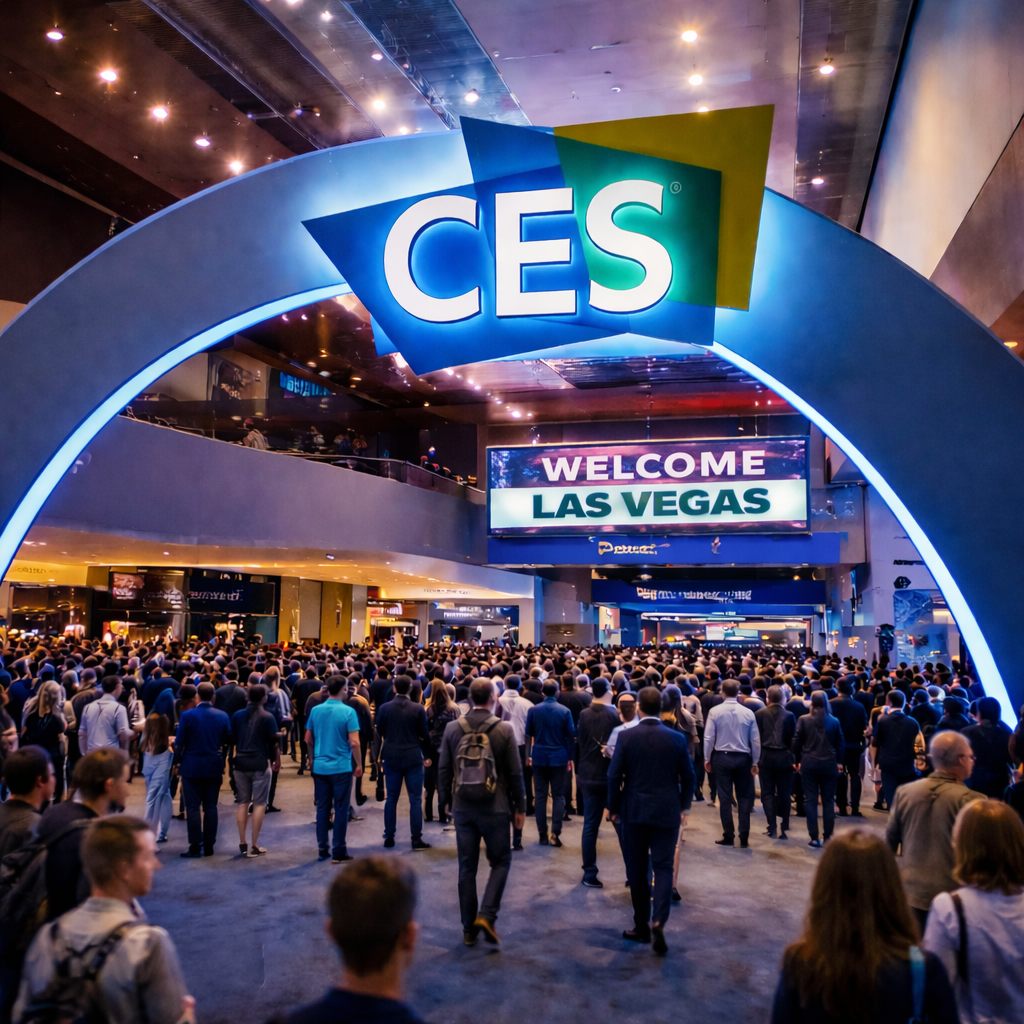
CES 2026: The Moment Banking AI Became Operational
At CES 2026, the conversation around AI in banking shifted in a very noticeable way. The industry moved beyond experimental “what if” discussions into a phase of real operational commitment. Major institutions such as U.S. Bank and BNP Paribas showcased how AI, robotics, and immersive digital interfaces are now converging to deliver something banks have long promised — true personalization at massive scale.

The Four Forces Reshaping Consumer Behavior
I read an article on how consumer preferences are changing that resonated a lot with me. I have been wondering how the frequently shifting trends, the uncertainty about what the future holds and the massive overload of digital content will shape consumer behavior. I recently came across a piece in Retail TouchPoints that highlights four key forces expected to influence how people spend, engage with brands and express their identity this year: self-preservation, escapism, fandom and nonconformity.