
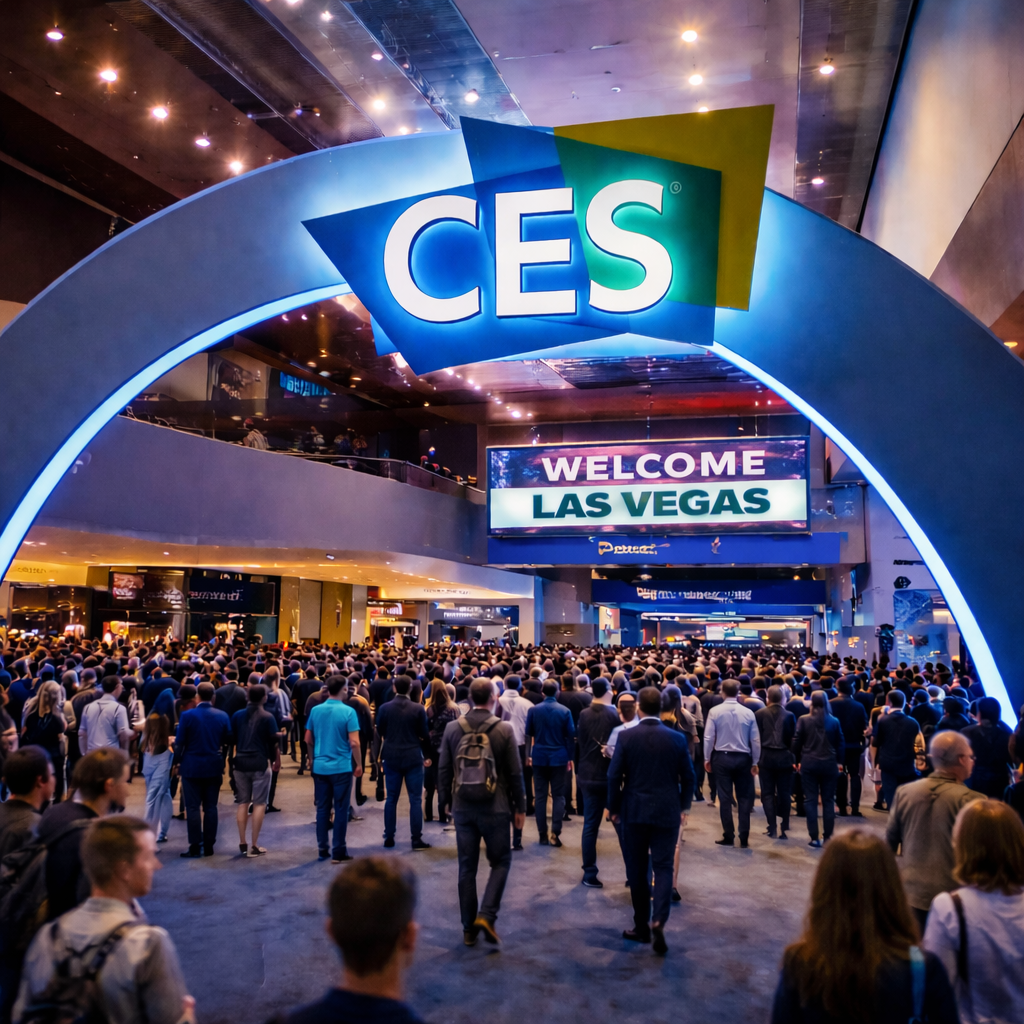

At CES 2026, the conversation around AI in banking shifted in a very noticeable way. The industry moved beyond experimental “what if” discussions into a phase of real operational commitment. Major institutions such as U.S. Bank and BNP Paribas showcased how AI, robotics, and immersive digital interfaces are now converging to deliver something banks have long promised — true personalization at massive scale.
This is no longer about pilots. It is about execution.
AI Trends in Banking – Key Findings of CES 2026
1. Agentic Voice Commerce Is Arriving
One of the most exciting developments came from SoundHound AI, which unveiled new agentic voice commerce platforms. These systems are designed to bring conversational AI directly into enterprise and consumer financial environments, enabling more seamless, voice-driven transactions.
Banking is quickly moving toward a future where customers may simply speak to complete complex financial actions.
2. The Convergence of Physical and Financial Health
A powerful new theme also emerged: the connection between health and wealth.
Wearable innovations in “age-tech” — such as AI-enabled rings and smart pins — are increasingly being viewed as tools banks could integrate into holistic financial planning. The idea is compelling: detecting health risks early could help prevent costly medical events, ultimately improving both personal wellbeing and long-term financial stability.
This is a striking expansion of what “banking services” could mean.
3. Embedded Intelligence Becomes the New Standard
AI is no longer appearing as a standalone feature. Instead, it is becoming embedded into everyday objects and workflows. New form factors — including talk-able pins and even intelligent business cards — can now manage calendars, fill out forms, and handle basic financial tasks. This will dramatically raise customer expectations for automated assistance.
The future of banking may not live inside an app — it may live everywhere. Cars, wearables, home assistants and so on.
4. Productivity and Developer Speed Are Accelerating
McKinsey demonstrated how AI is “rewiring” product development itself. With digital testing environments and simulated customers, development cycles that once took 6–9 months can now be compressed into as little as two weeks.
That is not optimization — that is transformation.
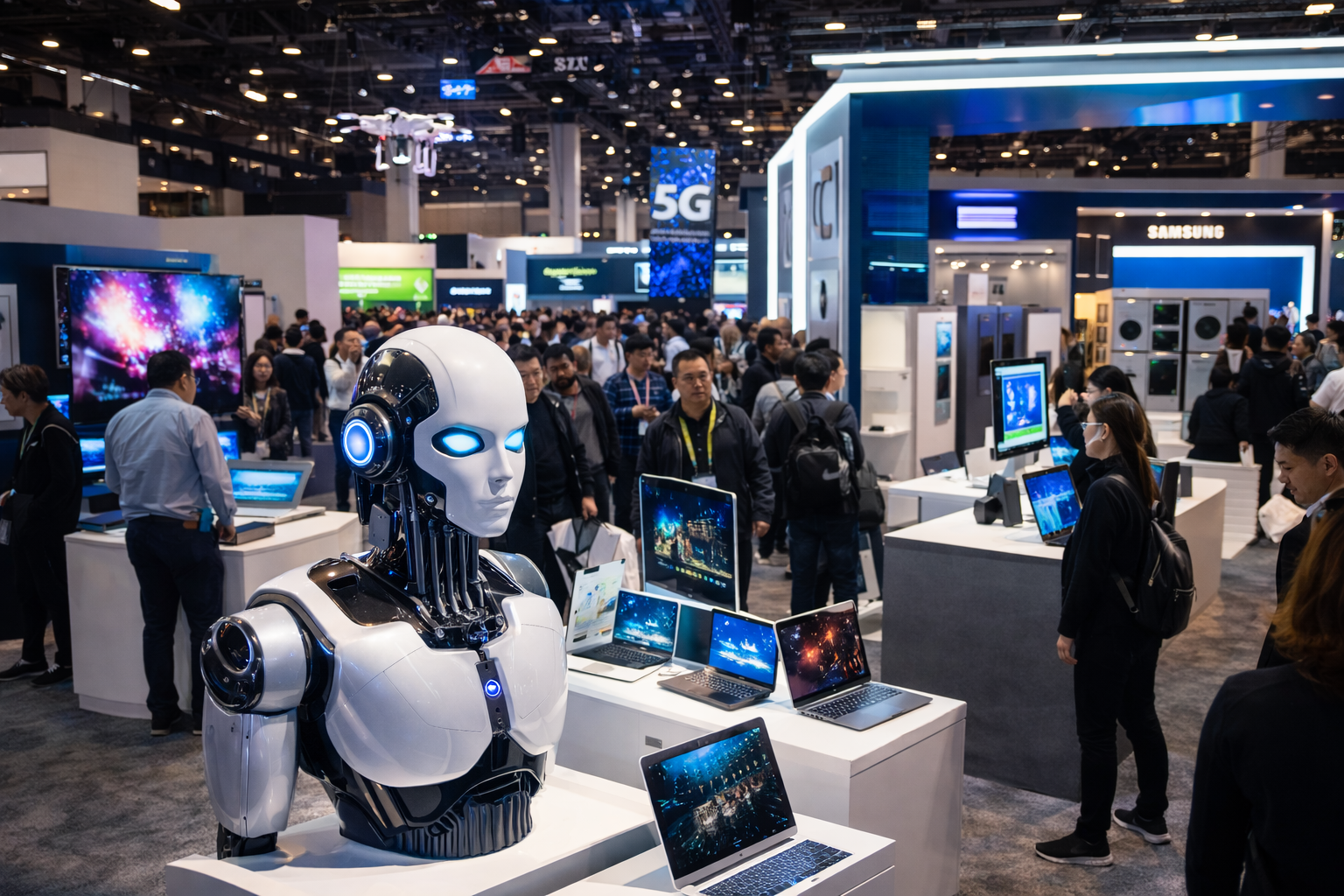
Strategic Outlook: What the Numbers Say About 2026
By the end of 2026, AI’s impact on banking is expected to be profound:
- The global AI-in-banking market is projected to reach $45.6 billion
- 88% of financial organizations will have AI integrated into at least one key function
- Productivity gains of 27% are expected in investment banking, with 27–35% improvements in front-office operations
- Fraud detection is advancing rapidly: early adopters report
- 25–40% higher accuracy
- 60% fewer false positives through behavioral biometrics
The above AI trends in banking suggest that the business case is becoming undeniable.
Operational Shifts: The Real Banking AI Challenge
CES 2026 also highlighted a deeper structural shift:
From Software to Systems
Banks are moving beyond building models — toward running AI for real users at scale. This includes investments in data-center infrastructure and even “physical AI” capabilities.
Data Foundations Will Define Winners
Success in 2026 will depend heavily on the underlying data architecture. Banks are shifting away from fragmented storage toward enterprise-wide data products designed specifically to support scalable AI.
Trust Becomes the Ultimate Competitive Edge
As deepfakes and AI-driven scams rise, banks are competing on something fundamental: trust. Continuous verification systems and content-authenticity controls are quickly becoming strategic necessities, not optional safeguards.
The Big Takeaway
CES 2026 made one thing very clear: AI in banking has entered its operational era.
The institutions that will lead in 2026 will not simply adopt AI tools — they will build AI-native systems, trusted infrastructures, and deeply embedded customer experiences that redefine what banking is.
The latest AI trends in banking show that the future is arriving fast — and it is conversational, wearable, embedded, and trusted.
Redesigning TRUST – The role of bank branches in the digital age – Free Ebook

Explore how digital tools, AI, and human insight together create a next-generation branch experience. Learn how banks can deliver faster service, reduce uncertainty, and build deeper customer relationships. Download our free ebook today.